The origins of these idioms we use every day will surprise you
18/01/2019
10.423 viste

There are some surprising stories behind the phrases we are so used to hearing and saying every day... Are you ready to find out more?
#1 Bury the hatchet

Meaning: end an argument or a quarrel and become friends again.
In the past, warring parties would literally bury their weapons while negotiating or to declare peace. For example, when different Native American tribes wanted to join forces to fight against other tribes, they symbolically buried a stone hatchet under a cypress tree. Puritans and Native Americans also buried all their weapons during negotiations to signal the laying down of arms.
In the past, warring parties would literally bury their weapons while negotiating or to declare peace. For example, when different Native American tribes wanted to join forces to fight against other tribes, they symbolically buried a stone hatchet under a cypress tree. Puritans and Native Americans also buried all their weapons during negotiations to signal the laying down of arms.
#2
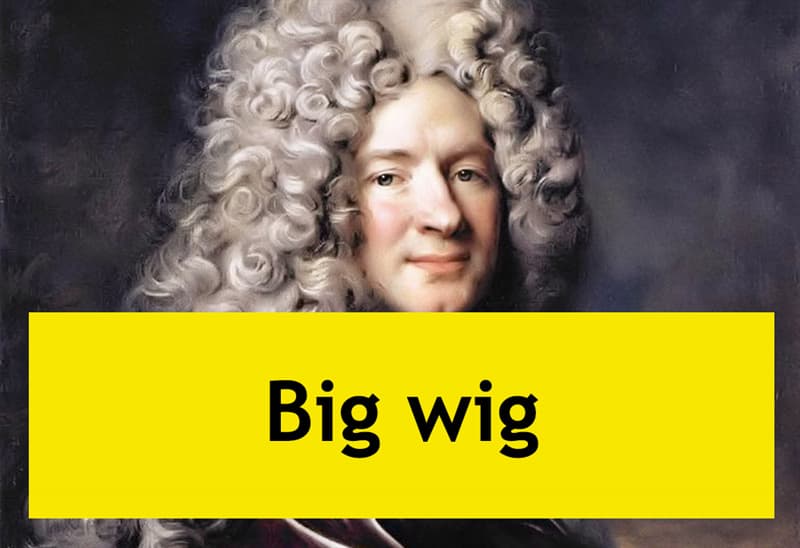
Meaning: an important person, a big man
In the 18th century, the most influential politicians wore the biggest wigs. Modern politicians don't tend to wear wigs, but are still called "big wigs" sometimes.
In the 18th century, the most influential politicians wore the biggest wigs. Modern politicians don't tend to wear wigs, but are still called "big wigs" sometimes.
#3
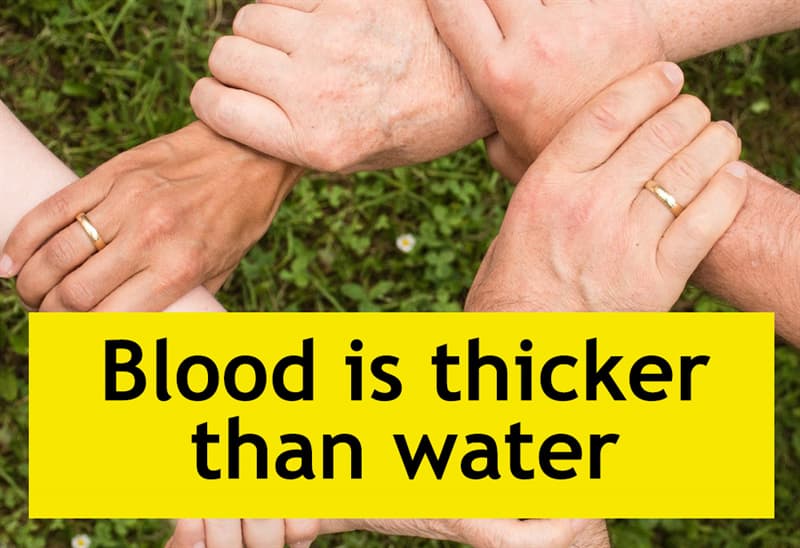
Meaning: family relationships are the most important ones.
In fact, the original phrase meant the opposite thing! The full phrase was "The blood of the covenant is thicker than the water of the womb”. It referred to the warriors who shed their blood together in the same field. These bonds were said to be stronger than biological ones.
In fact, the original phrase meant the opposite thing! The full phrase was "The blood of the covenant is thicker than the water of the womb”. It referred to the warriors who shed their blood together in the same field. These bonds were said to be stronger than biological ones.
#4
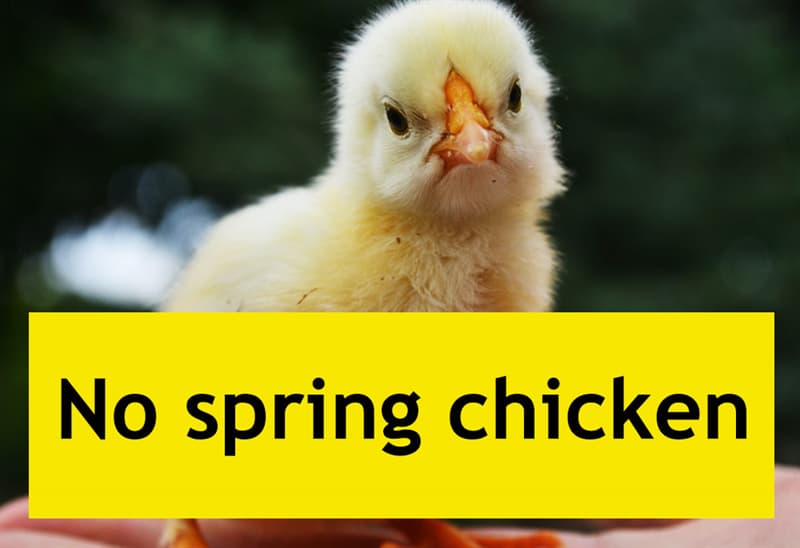
Meaning: someone who is no longer young.
In the early 1700s, chickens born in springtime were more expensive than the ones who survived the winter. Sometimes, farmers tried to sell the "old" chickens as the spring ones, and the attentive buyers complained that the they were "no spring chicken". Only half a century ago someone started using this phrase metaphorically,
In the early 1700s, chickens born in springtime were more expensive than the ones who survived the winter. Sometimes, farmers tried to sell the "old" chickens as the spring ones, and the attentive buyers complained that the they were "no spring chicken". Only half a century ago someone started using this phrase metaphorically,
#5

Meaning: very rarely.
Blue moon is real! It's an astronomical phenomenon. Blue moon is the second full moon in a month of the common calendar. It is really quite rare and appears once every 2.7 years.
Blue moon is real! It's an astronomical phenomenon. Blue moon is the second full moon in a month of the common calendar. It is really quite rare and appears once every 2.7 years.
#6
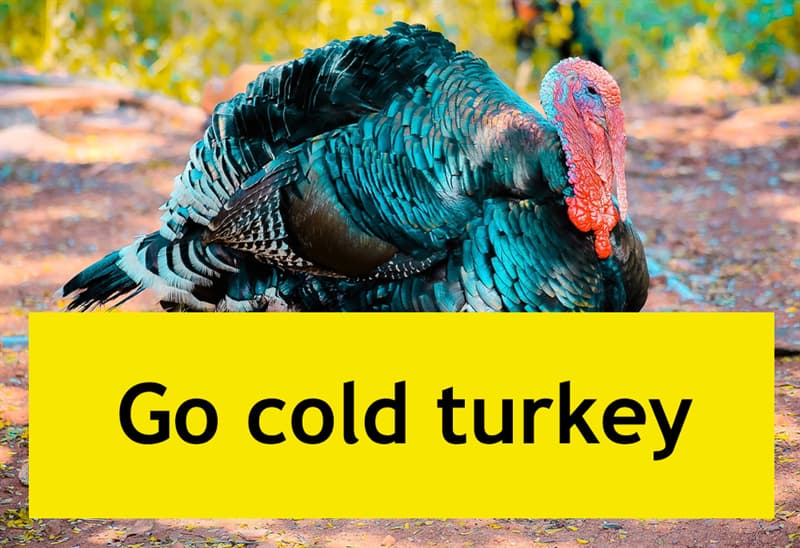
Meaning: To stop doing or using something abruptly and completely.
The skin of a person who's going through drug withdrawal sometimes gets covered with goosebumps, just like the skin of a plucked turkey. According to other sources, the term may derive from the cold feel of the addict's skin during withdrawal.
The skin of a person who's going through drug withdrawal sometimes gets covered with goosebumps, just like the skin of a plucked turkey. According to other sources, the term may derive from the cold feel of the addict's skin during withdrawal.
#7
Meaning: to start the day feeling unhappy and tired.
Long time ago, people believed the left side of almost everything to be the "evil side". To stay away from the evil spirits, they would often push the left side of the bed to the corner to always get up on the right side.
Long time ago, people believed the left side of almost everything to be the "evil side". To stay away from the evil spirits, they would often push the left side of the bed to the corner to always get up on the right side.
#8
Meaning: to mistakenly reveal a conspiracy or a secret.
It was a popular street fraud of the 1700s - valuable pigs were replaced with less valuable cats and then sold in bags. When a cat jumped out of a bag, the fraud was exposed.
It was a popular street fraud of the 1700s - valuable pigs were replaced with less valuable cats and then sold in bags. When a cat jumped out of a bag, the fraud was exposed.
#9
Meaning: to get information from the highest authority.
When someone wanted to buy a horse in the 1900s, they would look at their teeth to determine the animal's age and see if it's really worth the money. The idiom "look a gift horse in the mouth" supposedly has the same origin.
When someone wanted to buy a horse in the 1900s, they would look at their teeth to determine the animal's age and see if it's really worth the money. The idiom "look a gift horse in the mouth" supposedly has the same origin.
#10
Meaning: to flatter someone to gain a favor.
In ancient India, people would throw butter balls at the statues of gods to seek their favor and good fortune.
In ancient India, people would throw butter balls at the statues of gods to seek their favor and good fortune.
#11
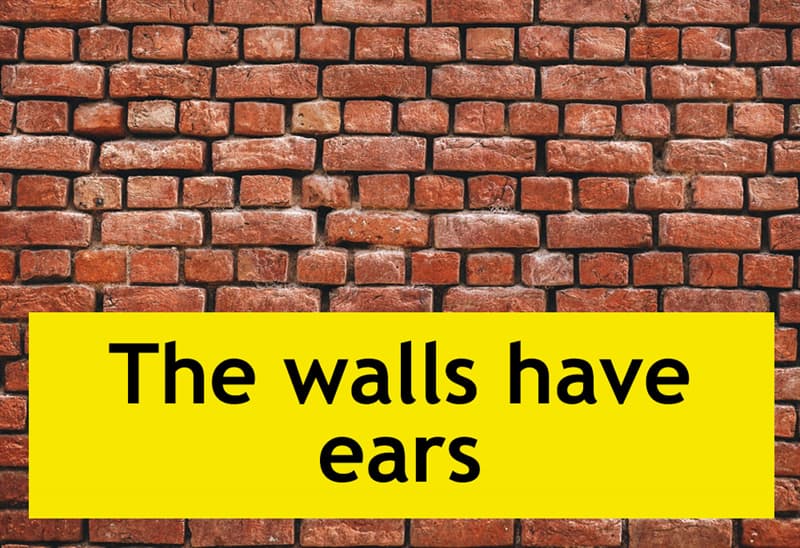
Meaning: be careful what you say, as someone might be eavesdropping.
Catherine de Medici, the Queen of France, had a network of listening tubes in the Louvre Palace. That's how she discovered political secrets and plots. The phrase is believed to have originated in those times.
Catherine de Medici, the Queen of France, had a network of listening tubes in the Louvre Palace. That's how she discovered political secrets and plots. The phrase is believed to have originated in those times.
Which of these phrases do you like the most? Did you know the history behind them? Is there anything you would like to add to the article?
We are waiting for your comments!
SHARE this articles with your friends to SURPRISE THEM!
#Culture #Society #knowledge #literature
Cosa ne pensi di questo argomento?
65 Comments

Conrado De Leon
Completely wrong you piece about "right from the horse's mouth". It meant, the information came from one who really knew the subject. It originated in the racing grounds, when gamblers looked for indication of what horse would win such and such a race. A "sure" tip. came from the one who really knew how he'd do in the race, namely, the horse.

Scott
I have heart, and used, most of them.
Good to see it all laid out.

Diane Pepitone
Blood is thicker than water.. never knew its original meaning.
Ilias Tsiabardas
I didn't know only a Couple of them
Darryl LaPierre
How about the greeting, how are you? I believe it originated during of the Spanish flue.
Peter Thomas
Fascinating! 👍🏻

margaret faulkenberry
I recognize all of them!
Darlene Yarbrough
Bury The Hatchet. Witch i this mean letting bad things go.lol
Diane Lynn Kinsman
Have heard them all.. plus few more..
Diane Lynn Kinsman
Kicking the bucket, dropping dead, where I live.. older people, used it a lot. Like people same age as my grandparents... So an oldie.. still remember hearing it..

tigertank
Like "the walls have ears" best. Didn't know the "cat out of the bag" origi.
kite005
Freda Griffin, Kicking the bucket. Looked it up and one explanation was someone hanging themself by standing on a bucket and then kicking it away. Dark.
Caroline Weis
Mel Mazuch, I think that idiom is, barking up the wrong tree.
Barbara Shaw
I think they're all fascinating tales of origin. I've heard of the story of eaves dropping. Queen Elizabeth 1st used to put spies up in the eaves of the waiting room so they could listen to her ministers and advisors discussing affairs. Clever!!!!

Marilyn Itzkowitz
Don’t cry over spilled milk...